
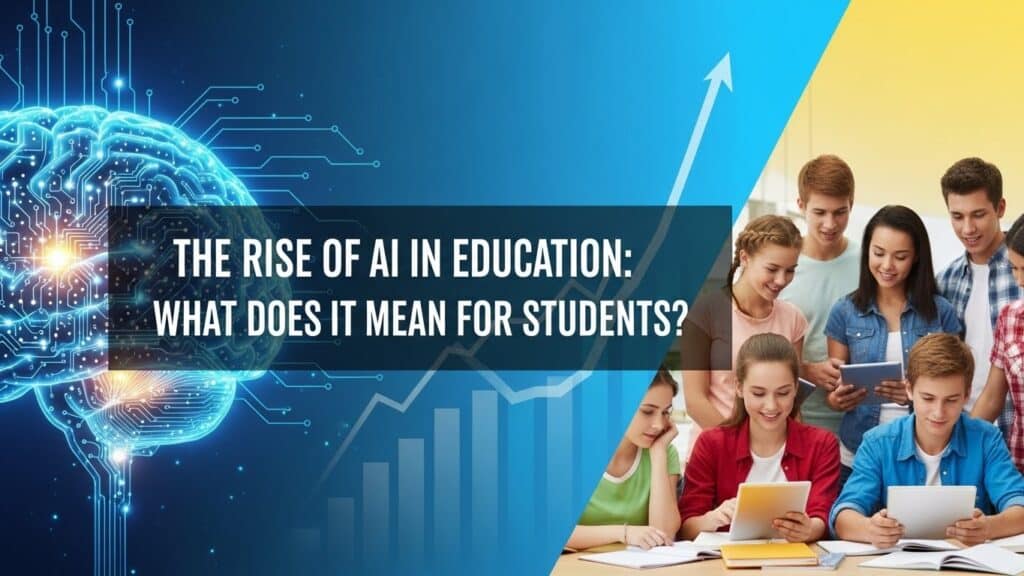
The integration of artificial intelligence (AI) into education has become one of the most transformative trends in recent years. From personalized learning experiences to intelligent tutoring systems, AI is reshaping how students learn and how educators teach. For students, this new wave of AI technology brings both opportunities and challenges.
At Gradelao, we recognize the potential of AI to revolutionize the learning experience, providing tailored resources, immediate feedback, and optimized study strategies. But what does AI in education really mean for students, and how can they leverage these tools to enhance their academic journey?
In this article, we will explore the rise of AI in education and examine its impact on students’ learning experiences, academic performance, and future prospects.
1. AI as a Personalized Learning Tool
One of the biggest advantages of AI in education is its ability to personalize learning experiences. In traditional classrooms, it can be difficult to address the unique needs of each student due to time constraints and limited resources. However, AI allows for adaptive learning environments that cater to individual learning paces and preferences.
How AI Personalizes Learning:
- Adaptive Learning Systems: AI-driven platforms like Gradelao use data to create customized learning plans based on each student’s strengths and weaknesses. These systems can adjust content difficulty, recommend resources, and provide personalized feedback, helping students focus on areas where they need the most improvement.
- Targeted Practice: AI can assess a student’s progress and suggest additional exercises or lessons to reinforce weak areas. This ensures that students receive the right level of support at the right time, enhancing their understanding and retention of key concepts.
Gradelao Tip:
Students can use Gradelao’s AI-powered tools to track their progress and receive tailored recommendations for improvement, making learning more efficient and effective.
2. AI as an Intelligent Tutoring System
AI is transforming the traditional tutoring model by providing intelligent tutoring systems (ITS) that can offer personalized support at any time of day. These systems simulate one-on-one tutoring experiences, guiding students through difficult topics and providing instant feedback.
AI-Powered Tutoring Benefits:
- 24/7 Availability: Unlike human tutors, AI-powered tutors are available around the clock, allowing students to get help whenever they need it. This is especially helpful for students studying late at night or preparing for exams.
- Instant Feedback: AI systems provide immediate feedback on exercises and tests, helping students understand their mistakes and learn from them right away. This promotes a more active learning process and prevents students from repeating errors in the future.
Gradelao Tip:
Students preparing for exams can use Gradelao’s AI tutoring tools to practice with mock exams, receive real-time corrections, and improve their exam strategies.
3. AI in Reducing Learning Gaps and Addressing Diverse Needs
Every student learns differently, and some may face unique challenges such as learning disabilities, language barriers, or differences in prior knowledge. AI’s ability to adapt and provide additional resources can help close these learning gaps and support diverse needs.
Supporting Diverse Learners:
- Customized Learning Paths: AI tools can identify when a student is struggling with a particular concept and offer alternative ways of learning it. This could include breaking down complex ideas into smaller, more manageable pieces or offering interactive exercises.
- Language and Accessibility Tools: AI can also help students who struggle with language barriers or have disabilities by providing real-time translations, speech-to-text functionalities, or alternative content formats like audio or video.
Gradelao Tip:
Students who require extra support can make use of Gradelao‘s accessibility features, such as speech recognition, and set learning preferences to match their specific needs, making learning more inclusive.
4. AI for Automating Administrative Tasks and Enhancing Efficiency
In addition to helping students learn, AI is also streamlining administrative tasks for educators. This allows teachers to spend more time interacting with students rather than managing paperwork and grading.
AI’s Role in Reducing Administrative Burden:
- Automated Grading and Feedback: AI systems can grade assignments, quizzes, and exams quickly and accurately, providing teachers with more time to focus on individualized instruction.
- Data-Driven Insights: AI tools can analyze student performance data and offer insights to help educators identify trends, such as common areas where students are struggling or specific students who may need additional support.
Gradelao Tip:
Students benefit from AI in education as well, as the systems provide immediate feedback on assignments and quizzes, allowing them to make adjustments before their next attempt.
5. Preparing for the Future: AI Skills in the Workforce
The rise of AI in education isn’t just about improving academic performance it’s also about preparing students for the future workforce. As AI technology continues to advance, it’s expected to play an even larger role in various industries. By using AI-powered learning tools, students are gaining essential skills that will be valuable in their future careers.
AI Skills Students Can Learn:
- Digital Literacy: Students who use AI tools like Gradelao are becoming more familiar with emerging technologies and digital platforms, enhancing their digital literacy.
- Problem-Solving with AI Tools: The ability to use AI-driven tools to solve complex problems or analyze data will become increasingly important in many fields, from healthcare to engineering and finance.
- Adaptability and Lifelong Learning: AI tools encourage a culture of self-directed learning, helping students become lifelong learners who are adaptable to new technologies and changing job markets.
Gradelao Tip:
By using Gradelao’s AI-powered tutoring and study tools, students are not just preparing for exams—they’re also preparing for a future in which digital skills and adaptability will be crucial.
6. Challenges and Ethical Considerations
While the rise of AI in education presents many opportunities, it also brings challenges and ethical considerations. For instance, the use of AI in learning can lead to privacy concerns, as personal data is collected to personalize educational experiences. Additionally, over-reliance on AI tools might reduce face-to-face interactions and social learning opportunities.
Challenges to Consider:
- Data Privacy: Students and parents must be aware of the data being collected by AI platforms and ensure that their personal information is secure.
- Balancing AI and Human Interaction: While AI can enhance learning, it should not replace the role of human educators entirely. Personal connections, social learning, and collaborative experiences are still essential for holistic development.
Gradelao Tip:
At Gradelao, we prioritize data privacy and ensure that all interactions with our platform are secure. We also encourage a balanced approach to learning, integrating both AI tools and human tutoring for the best results.
7. Conclusion: Embracing AI for a Better Learning Experience
The rise of AI in education is undeniably transforming the way students learn. With personalized learning experiences, intelligent tutoring systems, and tools to bridge learning gaps, AI is making education more accessible and efficient than ever before. For students, platforms like Gradelao provide an invaluable resource, offering support and resources that are tailored to their individual needs and learning styles.
By embracing AI as part of their educational journey, students can improve their academic performance, prepare for the workforce of the future, and develop essential digital skills. While challenges remain, the potential benefits of AI in education are vast, and students who leverage these tools will be well-equipped to succeed in both their academic and professional lives.