
How to Score an A in A-Level Exams: A Complete Guide – A-Level exams are a significant milestone in your academic journey and play a crucial role in determining your future academic and career prospects. Scoring an A in your A-Level exams is a great achievement, but it requires more than just hard work it requires smart strategies, disciplined revision, and effective exam techniques. This guide will walk you through the key steps to help you achieve top marks and score an A in your A-Level exams.

1. Understand the Syllabus Thoroughly
The first step toward achieving an A in your A-Level exams is to thoroughly understand the syllabus for each subject. The syllabus outlines exactly what you need to know and the key topics you need to study. Knowing the syllabus inside and out will ensure that you don’t waste time on irrelevant material and can focus on the topics that matter most.
How to Use the Syllabus Effectively:
- Break Down the Syllabus: Break the syllabus into smaller, manageable sections and review them in detail. Identify which areas you find difficult and focus on those during revision.
- Know the Exam Format: Understand the types of questions you’ll be asked in the exam. Some subjects, like Mathematics or Chemistry, have multiple-choice and problem-solving questions, while subjects like History and English may involve essays or long responses.
- Use the Syllabus as a Checklist: Treat the syllabus as a checklist and tick off each topic as you study it. This ensures you don’t overlook any area and helps you track your progress.
2. Create a Detailed Revision Plan
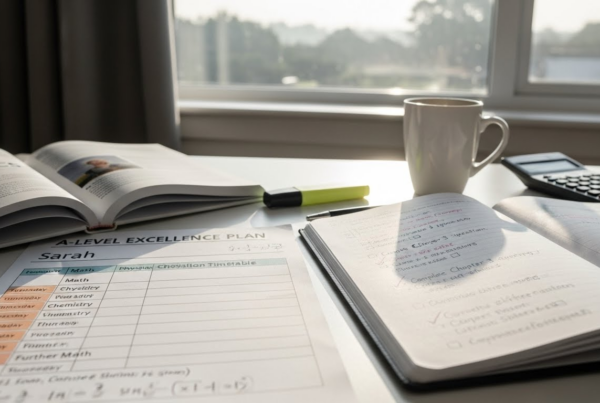
A structured and well-thought-out revision plan is essential for A-Level success. Having a clear roadmap will help you allocate time wisely, avoid last-minute cramming, and ensure that you cover all the necessary material.
How to Build an Effective Revision Plan:
- Assess Your Time: Calculate how much time you have until the exams. Plan backward from the exam date to make sure you can fit in sufficient study sessions for all subjects.
- Prioritize Weak Areas: Identify subjects or topics where you feel less confident and allocate more time to these. Don’t neglect the subjects you’re already comfortable with, but spend more time on areas where you struggle.
- Set Specific Goals: Set clear, specific goals for each study session. For example, “Study Chapter 3 of Physics” or “Complete 20 practice questions on Calculus.”
- Balance Subjects: Don’t spend all your time on one subject. Make sure your schedule includes time for all of your subjects so you don’t miss any important content.
- Include Breaks: Make sure your study plan includes short breaks after every 45-60 minutes of study. Taking breaks helps you stay focused and prevents burnout.
3. Use Active Revision Techniques
Simply reading your notes is not enough to achieve an A in A-Level exams. Active revision techniques are much more effective at helping you retain and understand the material.
Active Revision Techniques to Boost Your Performance:
- Practice Questions: Doing past exam papers is one of the most effective ways to revise. It helps you familiarize yourself with the exam format, identify common question types, and practice applying your knowledge.
- Self-Testing: Test yourself regularly to gauge how much you’ve learned. Active recall, where you try to retrieve information from memory, is proven to enhance long-term retention.
- Teach What You’ve Learned: Teaching a topic to someone else, or even to yourself, forces you to explain concepts clearly and reinforces your understanding.
- Use Flashcards: Create flashcards for key concepts, definitions, formulas, and terms. Flashcards are particularly useful for subjects like Biology and Chemistry, where there’s a lot of memorization involved.
- Mind Maps: Mind mapping helps you organize and visualize connections between ideas. It’s especially helpful in subjects like History, Geography, or Literature, where you need to understand relationships between events, themes, and characters.
4. Practice Time Management
One of the biggest challenges during exams is managing time effectively. A-Level exams are often time-pressured, so practicing time management during your revision is crucial.
Time Management Tips:
- Timed Practice Sessions: Practice answering questions under timed conditions. This will help you get used to the pressure of the exam and improve your ability to complete questions within the allotted time.
- Prioritize Questions in the Exam: In the actual exam, start with the questions you’re most confident in. If you’re unsure about a particular question, move on and return to it later when you have more time.
- Allocate Time for Each Section: For essays or long-answer questions, allocate a specific amount of time for each part of the question (introduction, body, conclusion). This ensures you cover all aspects of the question without running out of time.
5. Focus on Exam Technique
Scoring an A in your A-Level exams isn’t just about knowing the material—it’s about knowing how to present your knowledge effectively.
Key Exam Techniques:
- Understand the Question: Read the question carefully to make sure you know exactly what is being asked. Look for command words like “analyze,” “compare,” or “describe” to guide your response.
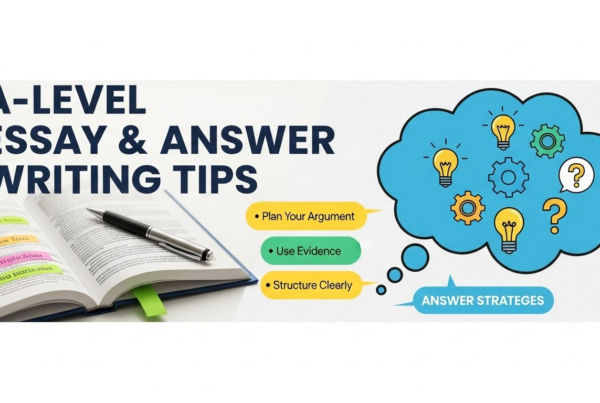
- Plan Your Answer: For longer answers or essays, spend a few minutes planning your response. Outline your key points and structure your answer before you start writing.
- Be Clear and Concise: Focus on answering the question directly and avoid unnecessary detail. In essay questions, make sure you present a clear argument and support it with relevant examples.
- Show Your Working: In subjects like Mathematics and Physics, always show your working. Even if you don’t arrive at the correct answer, you can still earn marks for the correct method.
6. Use Past Papers and Mark Schemes
Past papers are invaluable for practicing exam-style questions and understanding how the examiners award marks. The more past papers you practice, the more familiar you will become with the format and timing of the exams.
How to Use Past Papers Effectively:
- Practice Under Exam Conditions: Use past papers to practice answering questions within the time limits. This will help you become more efficient in your responses and build confidence.
- Use Mark Schemes: After completing past papers, use the mark schemes to evaluate your answers. This will help you understand how examiners expect you to structure your answers and which key points they’re looking for.
- Identify Patterns: Look at past papers over several years to identify recurring question topics or themes. Focus on these areas, as they are more likely to appear in your exams.
7. Stay Healthy and Manage Stress
Stress and burnout can negatively impact your performance. It’s essential to take care of your physical and mental health during your revision and exam period.
Tips for Maintaining Health and Reducing Stress:
- Get Enough Sleep: Sleep is crucial for memory consolidation and focus. Aim for 7-8 hours of sleep each night to ensure you’re well-rested for your revision and exams.
- Exercise Regularly: Physical activity helps reduce stress, boosts your mood, and improves concentration. Even a short walk can refresh your mind and reduce anxiety.
- Eat Well: Eat balanced meals that fuel your brain. Avoid excessive caffeine or junk food, as they can cause energy crashes and impact your focus.
- Relaxation Techniques: Practice relaxation techniques like deep breathing, meditation, or mindfulness to manage stress. Staying calm and focused is essential during exam periods.
8. Seek Help When Needed
If you’re struggling with a topic, don’t hesitate to ask for help. Whether it’s a teacher, tutor, or study group, getting the support you need can clarify difficult concepts and help you improve your understanding.
How to Seek Help:
- Ask Your Teachers: Teachers are a valuable resource, so ask them for clarification on topics that confuse you. They can offer insights and additional resources to help.
- Join Study Groups: Study groups can be helpful for discussing difficult topics, sharing resources, and motivating each other. Sometimes, explaining concepts to peers helps reinforce your own understanding.
- Consider Private Tutoring: If you’re still struggling, a tutor can offer personalized support and targeted lessons to address your specific challenges.
Conclusion
Scoring an A in your A-Level exams is achievable with the right approach, consistent effort, and a solid revision strategy. By understanding the syllabus, creating a detailed revision plan, using active learning techniques, and practicing past papers, you can confidently approach your exams. Effective exam techniques, time management, and self-care are also key to performing at your best.
With Gradelao’s comprehensive resources, including subject-specific revision materials, past papers, and expert tips, you can optimize your study plan and ensure you’re well-prepared for your A-Level exams. Keep your focus, stay disciplined, and take care of your mental and physical health success is within your reach.
Good luck, and remember, every step of your revision brings you closer to achieving that coveted A!